




Why Isn\'t It Recommended to Put Hot Food Directly into Plastic Bags? Choosing Safer Packaging for High-Temperature Foods
2026-07-28
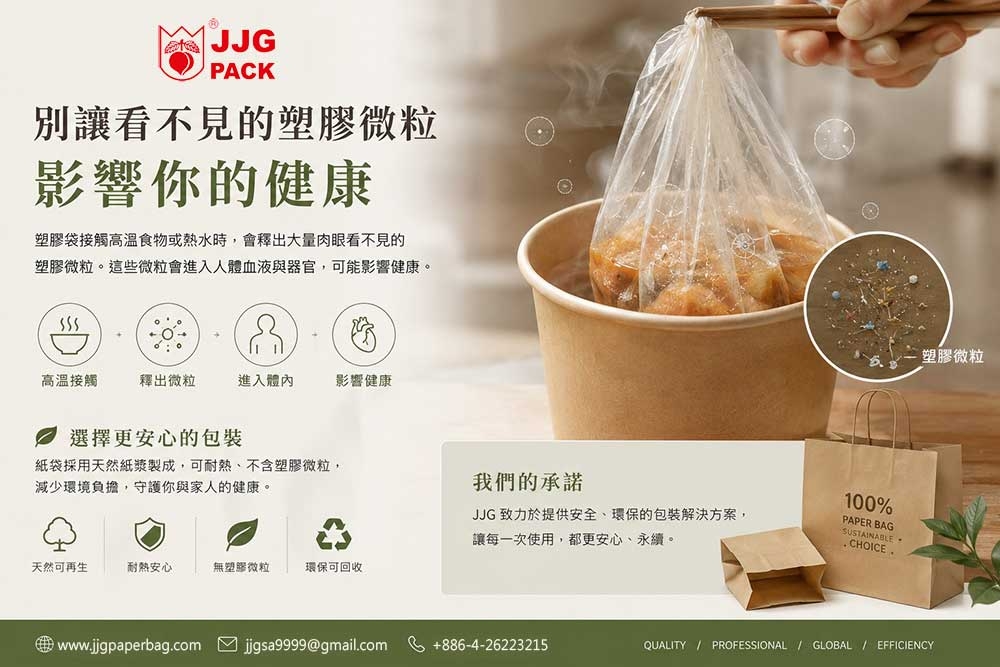
Many people are accustomed to placing hot soup, hot beverages, or freshly prepared food directly into plastic bags. However, recent studies have suggested that some plastic materials may release microplastics and certain additives when they come into contact with high-temperature foods or hot liquids. As a result, the safety of food packaging for hot foods has become an increasingly important topic.
How Should You Choose Packaging for Hot Foods?
Scientists are still studying the long-term health effects of microplastics, and there is currently no definitive evidence that normal use of plastic bags under typical conditions causes specific health risks. Nevertheless, many experts recommend avoiding direct contact between ordinary plastic bags and hot foods whenever possible.
When packaging hot foods, it is advisable to choose food-contact compliant packaging that is specifically designed for high-temperature applications and has passed relevant food safety standards. This helps ensure food safety while providing greater peace of mind for consumers.
Why Are More Brands Switching to Paper Bags?
In recent years, coffee shops, bakeries, and food service brands have increasingly adopted paper bags for takeaway packaging. Paper bags offer excellent breathability, are recyclable, and help reduce the use of single-use plastics, making them a more sustainable choice that aligns with today's environmentally conscious consumers.
When paired with food-grade greaseproof paper, paper packaging can also provide excellent grease resistance, leak resistance, and reliable protection for a wide variety of food products.
The Right Packaging Is an Investment in Your Brand and the Environment
Food packaging does more than protect products—it also influences how customers perceive your brand. Choosing packaging materials that comply with food safety standards while supporting environmental sustainability not only enhances brand value but also contributes to a more sustainable future.